

PvP Powerhouse: Building the Ultimate Arena Team

Introduction
Arena combat in World of Warcraft offers intense, skill‑driven encounters where team cohesion, class synergy, and split‑second decision‑making decide victory or defeat. Crafting the ultimate 2v2 or 3v3 roster requires more than raw talent—it demands thoughtful composition, communication protocols, and adaptive strategies. In this article, we’ll dissect how to assemble a powerhouse arena team, from role assignments to gear optimization and mental preparation.
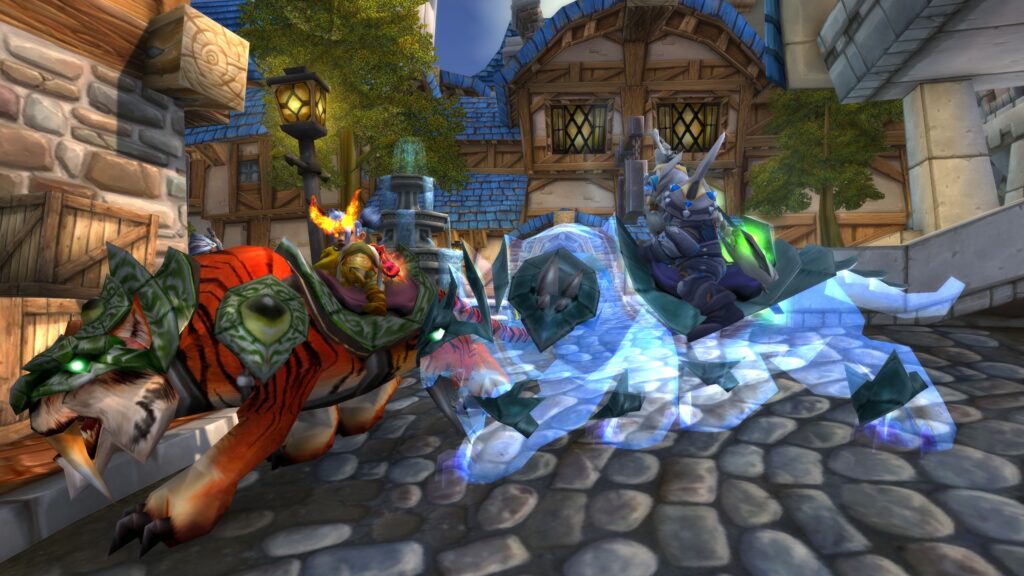
Whether you’re climbing ratings or competing in tournaments, these insights will help you forge a squad capable of dominating the competition.
Team Composition and Role Synergy
Successful arena teams balance three core roles:
- Healer: Keeps teammates alive through burst damage—popular picks include Restoration Druid and Holy Paladin for their strong defensives.
- Control/Utility: Provides crowd control, interrupts, and peels—classes like Mage and Windwalker Monk excel at CC chains.
- Damage Dealer: Focuses on consistent pressure—Rogue, Enhancement Shaman, and Havoc Demon Hunter deliver high single‑target burst.
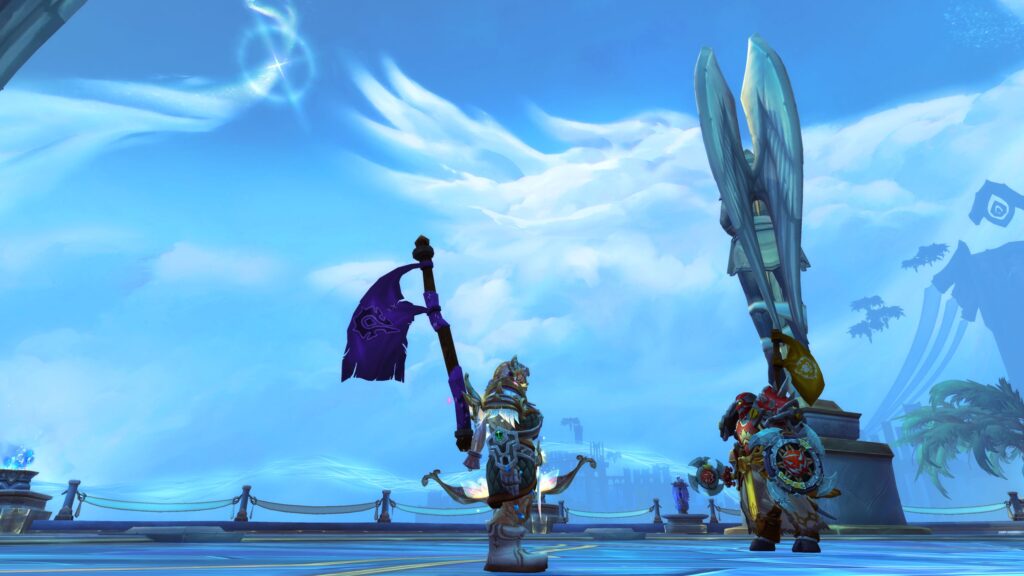
Ideal trios pair one of each role—e.g., RMP (Rogue/Mage/Priest) or UNholyDPS/DiscPriest/Lock—where each ability complements the others. In 2v2, hybrid pairings like MW Monk + Rogue can offset the lack of a dedicated healer through swift CC chains and self‑sustain.
Gear, Talents, and Preparation
Gear choices directly impact your team’s performance. Prioritize:
- Resilience-like Stats: Mastery and Versatility for damage reduction and healing throughput.
- PvP Trinkets: Healing or damage trinkets with on‑use effects can swing tight swaps.
- Enchants and Gems: Rapidly adjust to the meta—swap in Haste or Crit depending on your comp’s burst windows.
Talent selection should bolster your teammates: a Frost Mage in RMP may pick Ring of Frost for multi‑target CC, while the Priest chooses Protective Spirit to layer shields. Practice your chosen builds in skirmishes before rating matches to fine‑tune cooldown timings and poke strategies.
Communication and Mind Games

Clear, concise communication is the backbone of arena success. Establish protocols for:
- Target Calling: One “caller” designates kill targets (“Switch to Hunter!”) to synchronize burst.
- Cooldown Tracking: Use voice or text pings to note enemies’ defensive CDs and crowd control availability.
- Feign and Bait: Bluff defensive cooldown usage to bait enemy trinkets, then punish their misplays.
Understanding opponent tendencies—such as a Warrior’s impulsive charge or a Warlock’s portal opener—allows your team to preemptively position and chain CC, gaining both psychological and mechanical edges.
Conclusion & Meta Team Examples
Building the ultimate arena team is an iterative process: analyze logs, adapt to the shifting meta, and refine your communication. By combining complementary classes, optimizing gear for survivability, and mastering mind games, you’ll elevate your team from skilled individuals to a cohesive, unstoppable unit.
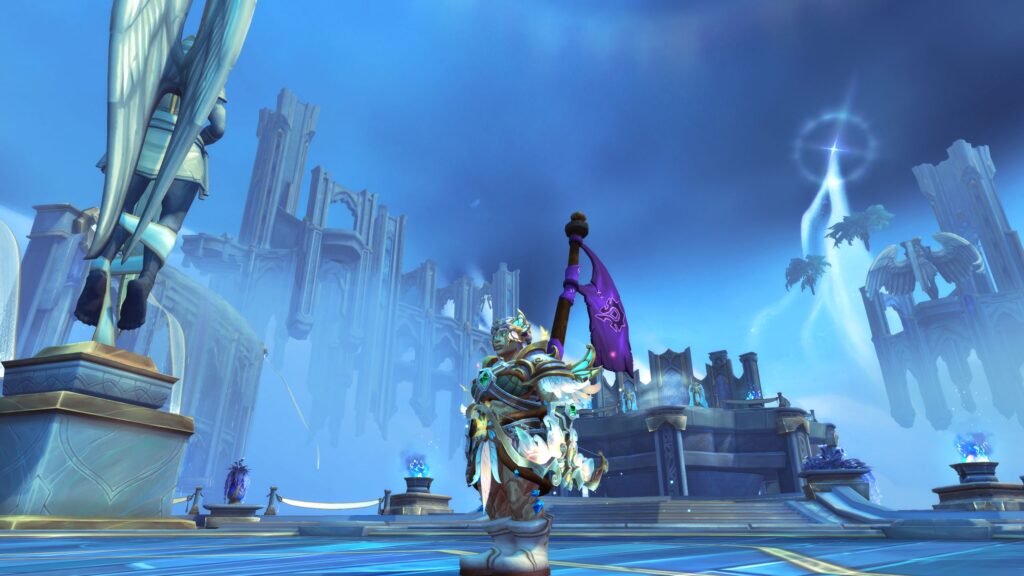
Below are a few meta team compositions that have dominated recent seasons.
Meta Composition Table
| Team | Roles | Strengths | Weaknesses |
|---|---|---|---|
| RMP | Rogue/Mage/Priest | Chain CC & burst | Low self‑sustain |
| MWR | Monk/Windwalker/Rogue | High mobility & healing | Vulnerable to heavy poke |
| DHLock | Demon Hunter/Warlock/Healer | Sustained pressure & survivability | Reliant on defensive cooldowns |
About Me

Chesung Subba
Author/Writer
Hello, I'm Chesung Subba, a passionate writer who loves sharing ideas, stories, and experiences to inspire, inform, and connect with readers through meaningful content.
Follow Me
Connect with me and be part of my social media community.